
Discover the Natural Balance of Tea and Well-Being
For centuries, tea has been enjoyed not only for its remarkable flavours but also as part of daily routines, cultural traditions, and moments of relaxation. From energizing morning brews to calming evening infusions, tea offers a wide variety of experiences to suit different lifestyles and preferences.
Today, wellness means more than simply choosing healthy foods and beverages—it is about creating daily habits that support balance, mindfulness, and overall well-being. Whether you enjoy traditional teas, herbal infusions, or naturally caffeine-free blends, tea can become a simple and enjoyable part of your everyday routine.
On this page, you’ll discover how different types of tea fit into modern lifestyles, learn about naturally occurring compounds found in tea, understand caffeine levels, and explore blends designed for every moment of the day.
Why Millions of People Choose Tea Every Day
Tea is one of the world’s most widely enjoyed beverages, with a history that spans thousands of years and countless cultures. From Asia and the Middle East to Europe and the Americas, people have embraced tea for its remarkable variety of flavours, aromas, and traditions.
For many, tea is more than simply a beverage. It marks the beginning of the morning, provides a welcome pause during a busy afternoon, or creates a peaceful moment to unwind at the end of the day. Every cup offers an opportunity to slow down, recharge, and enjoy a familiar ritual.
Whether served hot or iced, traditional or herbal, bold or delicate, tea continues to be appreciated as a versatile beverage that easily becomes part of everyday life.
Understanding the Natural Compounds in Tea
One of the reasons tea has remained popular for centuries is its naturally occurring plant compounds. Tea leaves contain polyphenols, including catechins, flavonoids, and theaflavins, which contribute to the flavour, aroma, colour, and character of different teas.
The amount and type of these compounds vary depending on how the tea is processed. Green tea is particularly rich in catechins, while black tea develops theaflavins and thearubigins during oxidation. White, oolong, and pu-erh teas each develop their own unique profiles through different production methods.
Researchers continue to study these naturally occurring compounds and their role as part of a balanced diet. Regardless of the variety you choose, tea remains a refreshing beverage enjoyed around the world.
Understanding Caffeine in Tea
Many people are surprised to learn that not all teas contain the same amount of caffeine. The caffeine level depends on the type of tea, the leaves used, and how the tea is brewed.
Traditional teas made from Camellia sinensis naturally contain caffeine, while herbal infusions such as chamomile, peppermint, hibiscus, and rooibos are naturally caffeine-free because they come from different plants. Decaffeinated teas provide another option for those who enjoy traditional tea with significantly reduced caffeine.
Understanding these differences makes it easier to choose the right tea for every time of day.
Comparing Caffeine Levels
| Tea Type | Caffeine | Flavour Profile | Best Time to Enjoy |
|---|---|---|---|
| Black Tea | High | Bold, rich, malty | Morning |
| Green Tea | Medium | Fresh, vegetal, lightly sweet | Morning or afternoon |
| White Tea | Low to medium | Delicate, floral, smooth | Afternoon |
| Oolong Tea | Medium | Floral, creamy, or roasted | Afternoon |
| Pu-erh Tea | High | Earthy, woody, complex | Morning or afternoon |
| Decaffeinated Tea | Caffeine-free | Varies by tea type | Anytime |
| Rooibos | Caffeine-free | Smooth, naturally sweet | Anytime |
| Herbal Infusions | Usually caffeine-free | Floral, minty, fruity, or spiced | Anytime |
Tea Myths & Facts
Myth: Herbal tea and traditional tea are the same
Fact: Traditional teas—including black, green, white, yellow, oolong, and pu-erh—come from the Camellia sinensis plant. Herbal infusions are made from other ingredients such as flowers, herbs, fruits, roots, spices, and botanicals.
Myth: Darker tea always contains more caffeine
Fact: The colour of the brewed tea does not reliably indicate its caffeine level. Caffeine can vary according to the tea variety, leaf size, amount used, water temperature, and steeping time.
Myth: Green tea is naturally bitter
Fact: Green tea can become bitter when brewed with water that is too hot or steeped for too long. When prepared correctly, it may taste fresh, vegetal, lightly sweet, nutty, or floral.
Myth: Decaffeinated tea contains no caffeine
Fact: Decaffeinated tea contains significantly less caffeine than regular tea, but small amounts may remain after processing. Naturally caffeine-free infusions, such as rooibos and many herbal blends, do not contain caffeine unless caffeinated ingredients are added.
Myth: All fruit teas contain tea leaves
Fact: Many fruit teas are infusions made entirely from dried fruits, flowers, herbs, and botanicals. Others may use black, green, or white tea as their base, so it is always helpful to check the ingredients.
Myth: Steeping tea longer always creates a better cup
Fact: A longer steep usually creates a stronger flavour, but it can also lead to bitterness or excessive astringency. The best steeping time depends on the tea type, leaf style, water temperature, and personal preference.
Choosing the Right Tea for Every Moment
Every tea offers its own unique experience, making it easy to find one that complements different moments throughout the day.
Morning
Bold black teas such as English Breakfast or Irish Breakfast provide a robust start to the day.
Mid-Morning
Green tea offers a refreshing cup with a lighter character.
Afternoon
Oolong and flavoured teas make excellent companions during work or social gatherings.
Evening
Naturally caffeine-free rooibos and herbal infusions provide a comforting way to unwind.
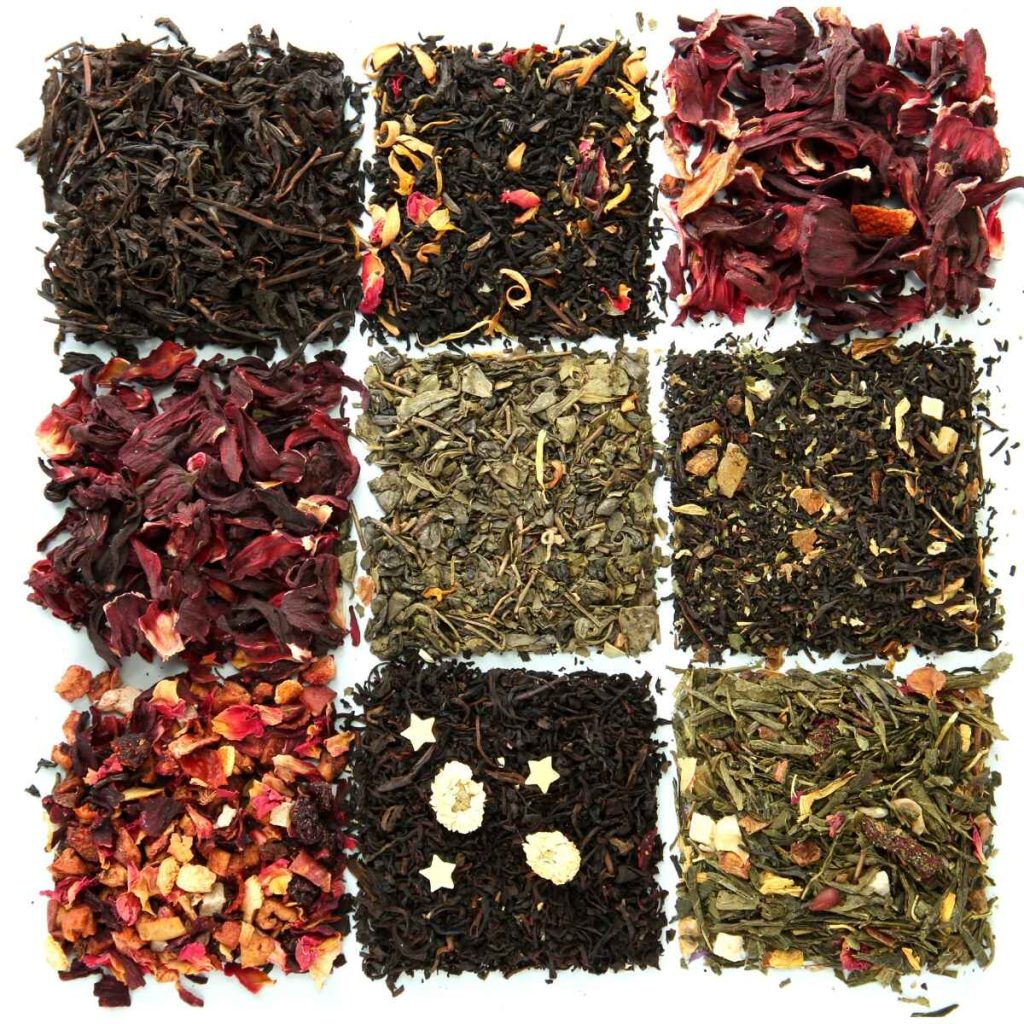
Herbal & Botanical Blends
Not every infusion comes from the tea plant. Herbal and botanical blends are created from flowers, herbs, roots, spices, fruits, and other plants, offering an incredible variety of flavours and aromas.
Popular ingredients include chamomile, peppermint, ginger, turmeric, lavender, lemon balm, hibiscus, and rooibos. Many of these infusions are naturally caffeine-free, making them enjoyable throughout the day and particularly popular during the evening.
Their diversity allows tea lovers to explore everything from refreshing citrus notes to warming spice blends and delicate floral infusions.
Creating Your Daily Tea Ritual
Preparing tea is more than simply steeping leaves in hot water. It offers an opportunity to pause, slow down, and enjoy a quiet moment in an otherwise busy day.
Whether you begin each morning with a favourite breakfast tea, take an afternoon break with a refreshing green tea, or finish your evening with a soothing herbal infusion, creating a daily tea ritual can become an enjoyable part of a balanced lifestyle.
The beauty of tea lies not only in its remarkable variety but also in the moments it helps create.
Explore Our Wellness Collection
Whether you’re looking for a bold morning tea, a refreshing afternoon blend, or a naturally caffeine-free evening infusion, our carefully selected wellness collection offers something for every lifestyle and every moment of the day.
From premium traditional teas to thoughtfully crafted herbal and botanical blends, discover teas designed to complement your daily routine and make every cup an enjoyable experience.
