
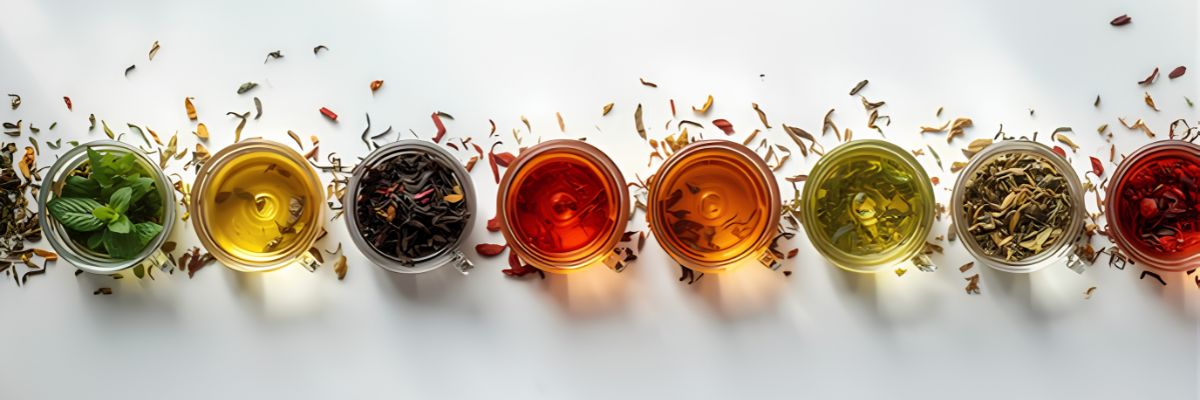
Discover the Unique Character Behind Every Leaf
The Remarkable Camellia sinensis Plant
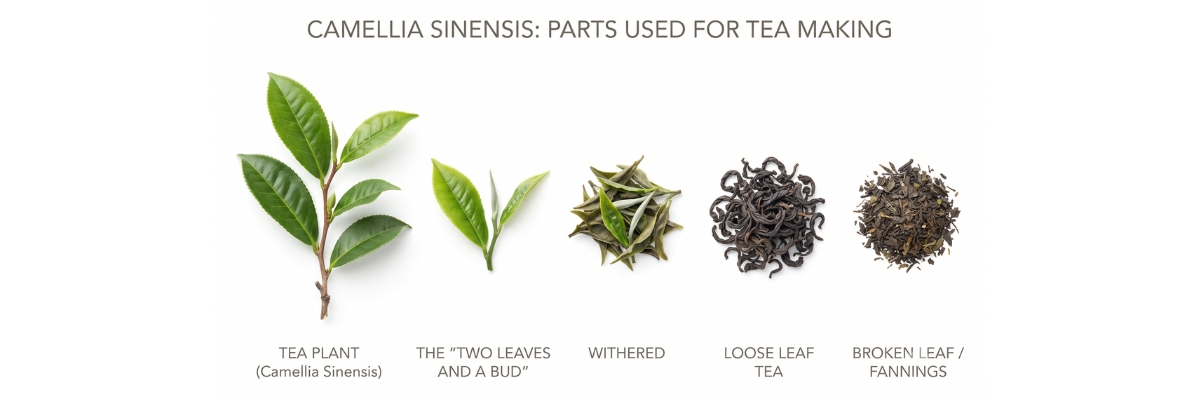
One Plant, Endless Possibilities
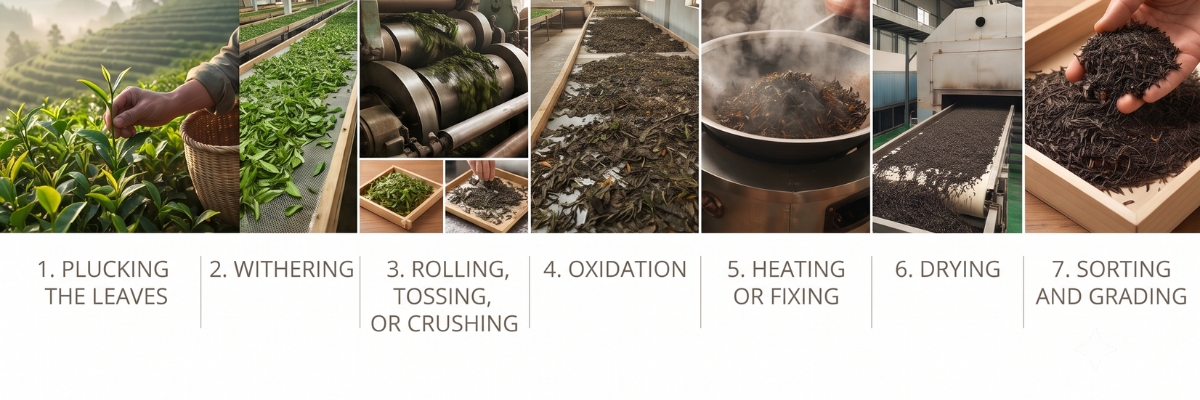
The Seven Essential Steps of Tea Making
1. Plucking the Leaves
Tea making begins with harvesting leaves from the Camellia sinensis plant. The leaves selected depend on the tea being created, although many fine teas use the tender bud and first two young leaves.
2. Withering
The freshly picked leaves are spread out so some of their natural moisture can evaporate. This softens them and makes them flexible enough to be shaped without breaking.
3. Rolling, Tossing, or Crushing
The leaves are then rolled, twisted, tossed, or crushed. This gently breaks down their cell structure and releases the natural compounds that help develop flavour and aroma.
4. Oxidation
Once the leaves are exposed to oxygen, they begin to darken and develop deeper flavours. The level of oxidation is one of the most important factors in determining the final type of tea.
5. Heating or Fixing
When the desired level of oxidation has been reached, the leaves are heated to slow or stop further change. Steaming or pan-firing helps preserve the tea’s intended colour, aroma, and character.
6. Drying
The leaves are carefully dried to remove the remaining moisture, stabilize their flavour, and prepare them for storage.
7. Sorting and Grading
Finally, the dried tea is sorted by size, shape, and quality. Stems and unwanted fragments are removed before the finished leaves are packed.
How One Process Creates Many Teas
Although all traditional teas begin with the same plant, they do not follow these steps in exactly the same way. Black tea is allowed to oxidize more fully, creating a dark colour and bold flavour. Green tea is heated early to limit oxidation and preserve its fresh character. Oolong tea is partially oxidized and may be rolled and rested several times to develop greater complexity. White tea is gently withered and dried with very little handling, while yellow tea includes an additional resting stage that creates a softer, mellower taste. Pu-erh tea is fermented and often aged, developing deep, earthy flavours over time.
Through these carefully controlled choices, one simple leaf becomes an extraordinary family of teas. This is where nature meets craftsmanship—and where endless possibilities begin.
Discover Tea, One Cup at a Time
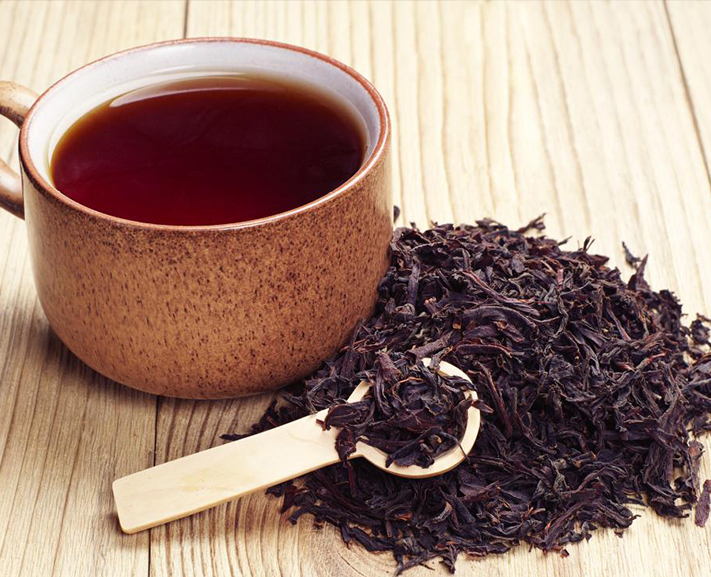
Black Tea
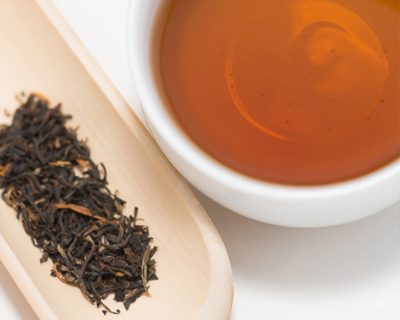
Black tea is one of the world’s most beloved tea varieties, celebrated for its rich flavour, deep amber colour, and invigorating aroma. Fully oxidized during processing, it develops a bold and well-rounded character that ranges from smooth and malty to brisk and robust, depending on its origin.
Enjoyed across countless cultures, black tea is incredibly versatile. It can be savoured on its own, paired with milk or lemon, lightly sweetened with honey, or used as the foundation for favourites such as Earl Grey, English Breakfast, and Masala Chai.
Whether you’re starting your morning or taking a well-earned afternoon break, black tea offers a comforting and satisfying cup that has been cherished for generations.
Green Tea
Fresh, Vibrant, and Naturally Refreshing
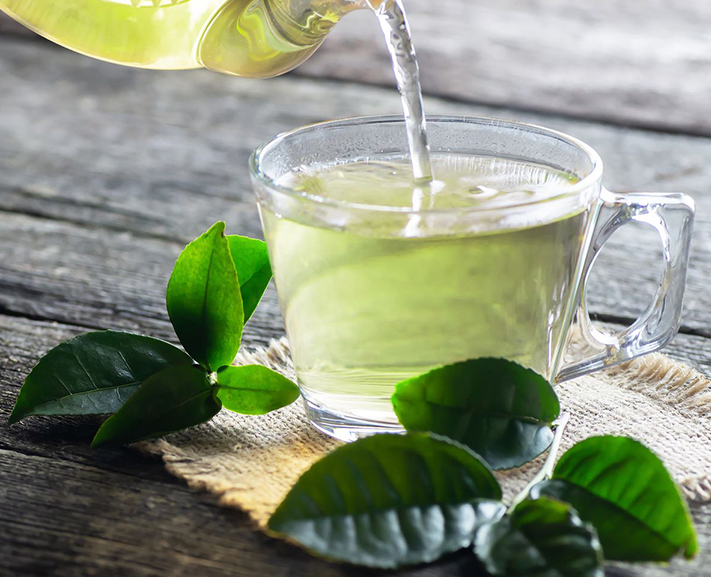
Green tea is celebrated for its bright character, delicate aroma, and refreshing taste. Unlike black tea, its leaves are heated shortly after harvesting to prevent significant oxidation, helping preserve their natural green colour and fresh flavour.
Depending on where it is grown and how it is crafted, green tea can range from sweet and grassy to nutty, vegetal, or lightly roasted. For centuries, it has been enjoyed throughout East Asia and is now one of the world’s most popular tea varieties, appreciated for both its distinctive taste and its place in traditional tea culture.
White Tea
Delicate, Pure, and Naturally Elegant
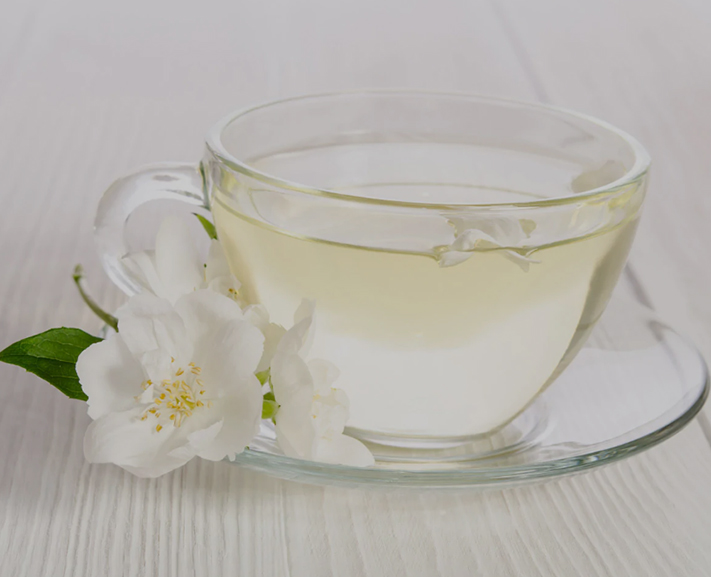
White tea is the least processed of all traditional teas, prized for its subtle flavour, delicate aroma, and refined character. Made from the young buds and tender leaves of the Camellia sinensis plant, it is carefully withered and dried with minimal handling, allowing its natural qualities to shine.
Known for its light body and smooth, gentle taste, white tea often reveals delicate floral, honeyed, or fruity notes. Originating in China’s Fujian Province, it has been enjoyed for centuries as one of the world’s most treasured teas. Today, white tea is appreciated for its simplicity, elegance, and the craftsmanship required to preserve its naturally delicate character.
Yellow Tea
Rare, Mellow, and Exceptionally Refined
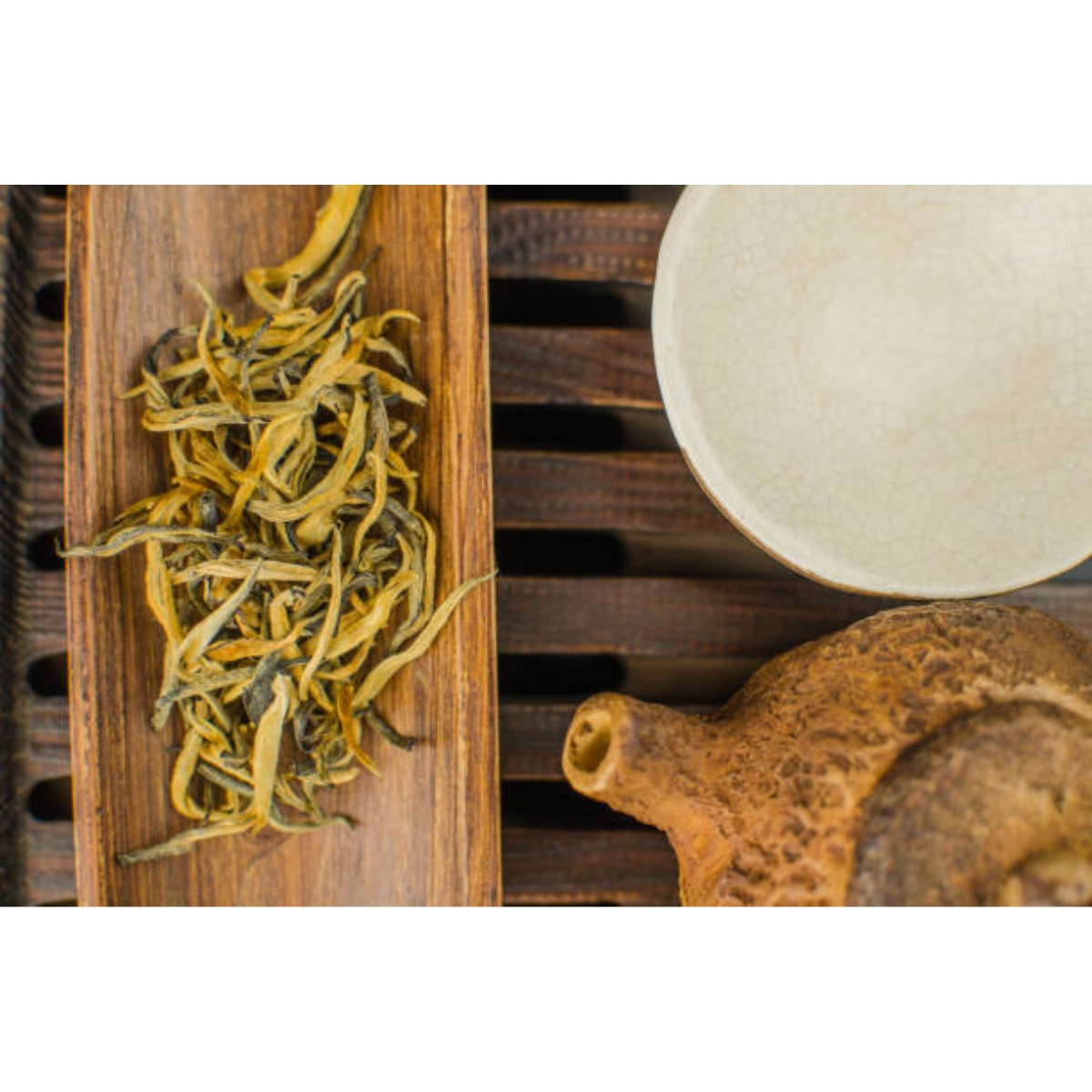
Yellow tea is one of the rarest traditional teas, valued for its smooth texture, gentle sweetness, and refined character. It is produced using a method similar to green tea, but includes an additional resting stage known as “yellowing,” during which the leaves are carefully wrapped or covered.
This extra step softens the grassy notes often associated with green tea and creates a mellower, more rounded flavour. Produced in limited quantities, mainly in China, yellow tea is admired for its delicacy, subtle aroma, and the skill required to craft it.
Oolong Tea
Complex, Aromatic, and Beautifully Balanced
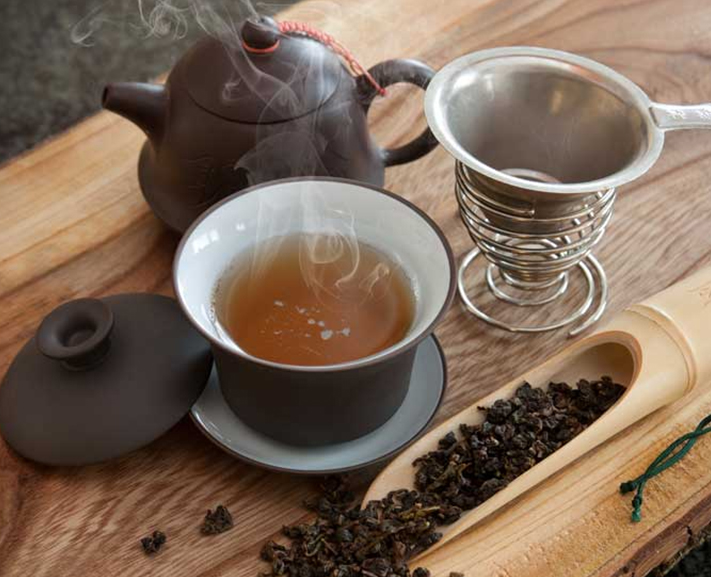
Oolong tea occupies the fascinating space between green and black tea. Its leaves are partially oxidized, allowing tea makers to create a wide range of flavours—from light, floral, and creamy to rich, roasted, and deeply aromatic.
During production, the leaves may be repeatedly rolled, rested, and carefully oxidized to develop their distinctive character. Closely associated with China and Taiwan, oolong tea is admired for its layered flavour, lingering finish, and the craftsmanship involved in every batch.
Gunpowder Tea
Tightly Rolled, Bold, and Distinctive
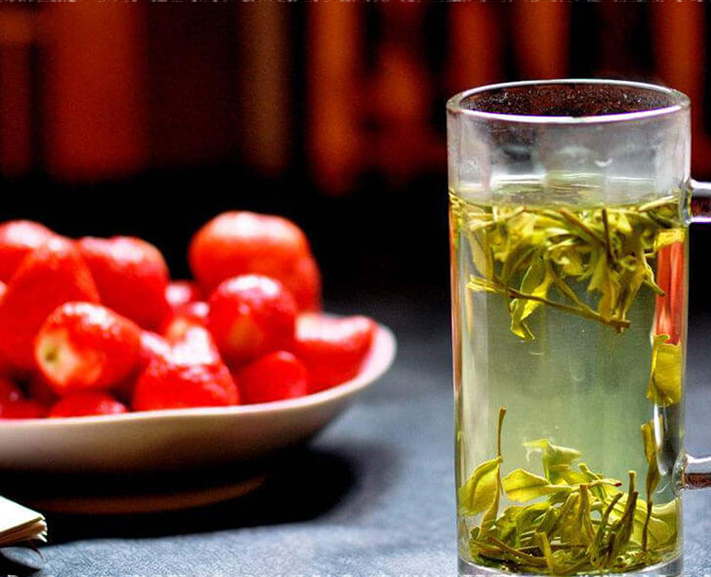
Gunpowder tea is a traditional style of green tea known for its tightly rolled leaves, which resemble small pellets. This rolling method helps protect the leaves and preserve their flavour before they slowly unfurl during brewing.
Originally associated with China’s Zhejiang Province, Gunpowder tea is recognized for its brisk, slightly smoky character and full-bodied taste. Depending on how it is produced, it may also reveal earthy, vegetal, or lightly toasted notes, making it a stronger and more robust option within the green tea family.
Pu-erh Tea
Earthy, Aged, and Remarkably Distinctive
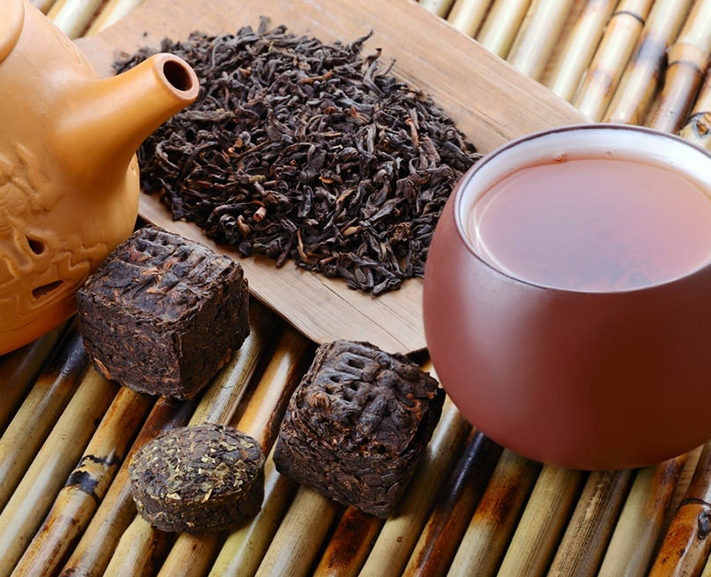
Pu-erh tea is a fermented tea traditionally produced in China’s Yunnan Province. Unlike most teas, which are enjoyed soon after production, many pu-erh teas are aged over time, allowing their flavour and aroma to continue developing.
Its character can range from smooth and earthy to woody, mellow, or richly complex, depending on how it is processed and aged. Pu-erh is commonly available in loose-leaf form or compressed into cakes, bricks, and other shapes, making it one of the most distinctive styles in the world of tea.
These are the six traditional true teas of the world. Although each one offers its own unique flavour, aroma, colour, and character, they all share the same remarkable origin—the leaves of the Camellia sinensis plant. Through different harvesting and processing techniques, one simple leaf becomes an extraordinary range of tea experiences enjoyed across the globe.
As tea continued to evolve, so did the creativity of tea makers. By combining traditional tea leaves with fruits, flowers, herbs, spices, and natural botanicals, they created an exciting new world of flavour that continues to delight tea lovers today.
The Art of Flavoured Tea
While pure teas celebrate the natural beauty of the tea leaf, flavoured teas showcase the creativity of blending. Carefully selected ingredients such as fragrant flowers, juicy fruits, warming spices, citrus peels, and aromatic herbs are combined with premium tea leaves to create blends that are both familiar and wonderfully unique.
From timeless favourites like Earl Grey and Masala Chai to modern fruit and floral creations, flavoured teas offer endless possibilities for every palate and every occasion.
Flavored Black tea
Rich, Aromatic, and Wonderfully Versatile
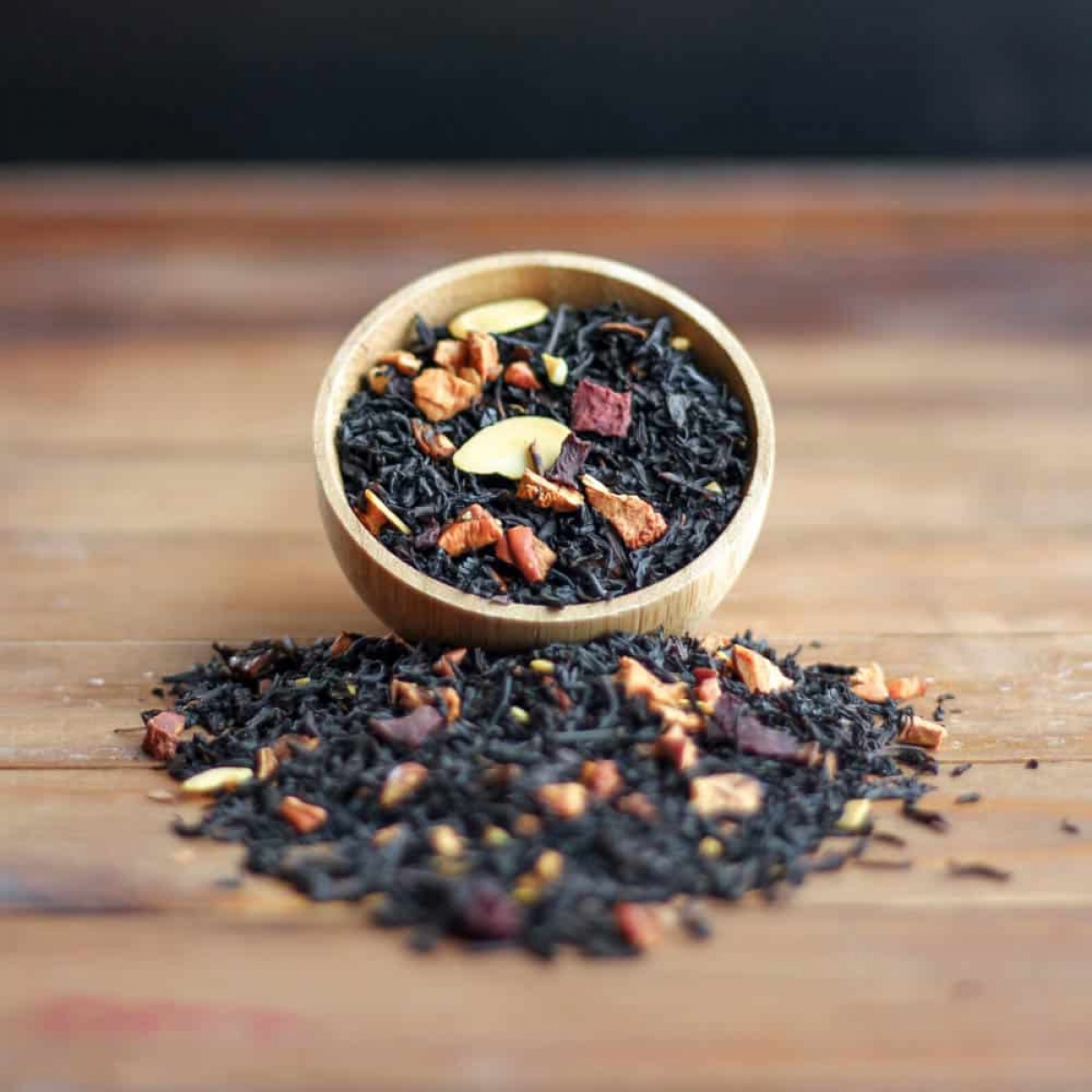
Flavoured black tea combines the bold character of traditional black tea with carefully selected ingredients such as fruits, flowers, spices, herbs, and natural botanicals. Its full-bodied flavour provides an excellent foundation for creating blends that are both balanced and distinctive.
From the bright citrus notes of Earl Grey and the warming spices of Masala Chai to fruit-infused and floral creations, flavoured black teas offer an incredible range of tastes and aromas. Whether enjoyed plain or with milk, they bring together the strength of black tea and the creativity of expert blending, making them favourites among tea lovers around the world.
Flavored Green Tea
Fresh, Fragrant, and Naturally Refreshing
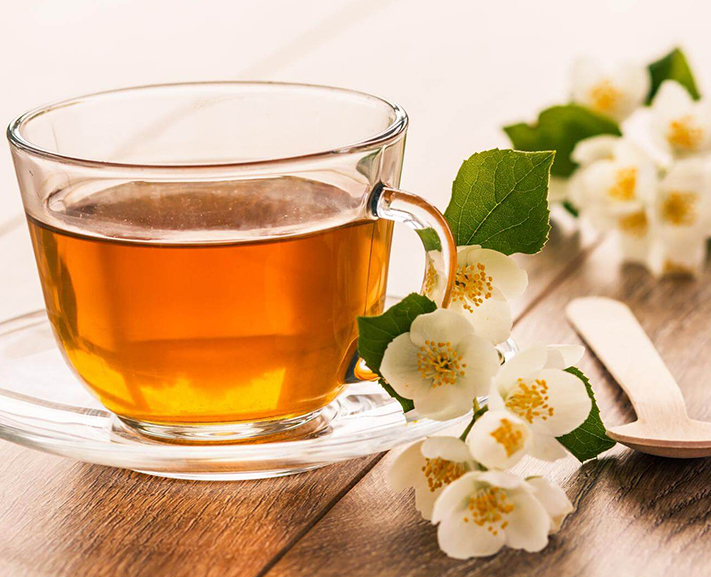
Flavoured green tea pairs the light, refreshing character of green tea with fruits, flowers, herbs, spices, and natural botanicals to create blends that are both delicate and vibrant. Because green tea has a naturally smooth and vegetal profile, it complements lighter ingredients without losing its distinctive character.
Popular flavour combinations include jasmine blossoms, citrus fruits, berries, tropical fruits, mint, and fragrant flowers. The result is a tea that can be crisp and refreshing, softly floral, or gently sweet, offering a wide variety of flavours while preserving the fresh qualities that make green tea so popular.
Flavored White Tea
Delicate, Elegant, and Beautifully Aromatic
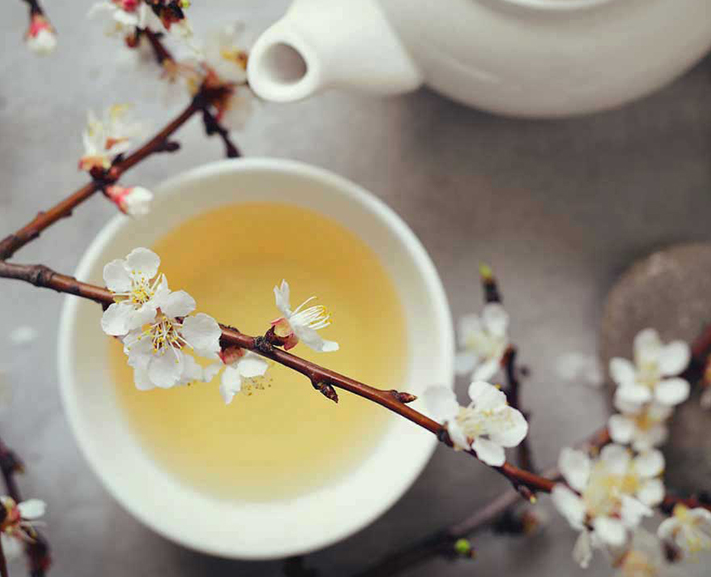
Flavoured white tea combines the gentle character of white tea with carefully selected fruits, flowers, herbs, and natural botanicals. Because white tea is minimally processed, its light and delicate flavour allows subtle ingredients to shine, creating blends that are refined, balanced, and naturally elegant.
Popular additions include peach, pear, berries, jasmine, rose petals, citrus, and other delicate floral notes. The result is a smooth, refreshing tea with a soft sweetness and graceful aroma, offering a sophisticated tea experience without overwhelming the natural qualities of the white tea itself.
Flavoured teas beautifully demonstrate how tradition and creativity can come together in a single cup. By combining premium tea leaves with fruits, flowers, herbs, spices, and natural botanicals, tea makers have created an endless variety of blends that appeal to every taste and every occasion. While each blend offers its own unique personality, they all share the same purpose—to enhance the tea-drinking experience without losing the character of the leaf itself.
Yet, among the countless flavoured creations enjoyed today, a few blends have earned a special place in tea history. These timeless classics have been cherished for generations, becoming symbols of cultures, traditions, and daily rituals around the world.
Classic Tea Blends
Some tea blends become more than favourites; they become part of culture, routine, and tradition. Created to achieve a particular strength, aroma, or character, classic blends often combine teas from different regions or pair tea leaves with carefully chosen ingredients.
These blends have stood the test of time because they offer comfort, familiarity, and a distinctive experience in every cup.
English Breakfast
English Breakfast is a strong, full-bodied black tea blend traditionally created for the morning table. It is commonly made from teas such as Assam, Ceylon, and Kenyan black tea, although the exact combination varies by producer.
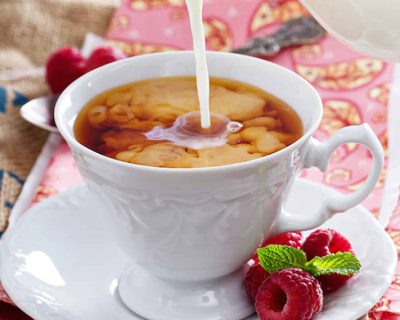
Its rich character pairs beautifully with milk and makes it a natural companion to breakfast foods. Over time, it became one of the most recognized tea blends in Britain and around the world.
Irish Breakfast
Irish Breakfast is known for being bolder and more robust than many other breakfast blends. It often contains a generous amount of Assam tea, which gives it a deep colour, malty flavour, and strong finish.
Traditionally enjoyed with milk, it is especially popular among tea drinkers who prefer a hearty and energizing cup.
Scottish Breakfast
Scottish Breakfast is typically the strongest of the traditional breakfast blends. It was designed to remain flavourful even when brewed with hard water, which can soften the taste of tea.
The blend is usually rich, dark, and full-bodied, making it ideal for those who enjoy a powerful morning tea with milk.
Earl Grey
Earl Grey combines black tea with the fragrant essence of bergamot, a citrus fruit known for its bright and aromatic character.
The blend is traditionally associated with Charles Grey, the 2nd Earl Grey, although the exact story of its creation remains uncertain. Its floral-citrus aroma and refined flavour have made it one of the world’s most famous scented teas.
Lady Grey
Lady Grey is a lighter, softer variation of Earl Grey. Along with bergamot, it often includes orange peel, lemon peel, or delicate floral notes.
Its fresh citrus character makes it a gentler choice for tea drinkers who enjoy Earl Grey but prefer a brighter and less intense blend.
Masala Chai
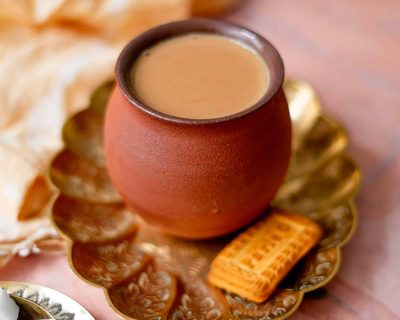
Masala Chai originated in India and combines strong black tea with warming spices such as cardamom, cinnamon, ginger, cloves, and black pepper.
Traditionally simmered with milk and sweetener, it is more than a tea blend; it is a deeply rooted part of everyday hospitality and culture across South Asia.
Russian Caravan
Russian Caravan is a traditional black tea blend inspired by the historic tea trade routes between China and Russia.
It is often made with Chinese black teas and may include smoky Lapsang Souchong. The result is a smooth, warming blend with rich, slightly smoky notes.
Afternoon Tea Blend
Afternoon Tea blends are usually lighter and more refined than breakfast teas. They are designed to complement pastries, sandwiches, and delicate sweets.
These blends often use Ceylon or Darjeeling teas, creating a bright, elegant cup that can be enjoyed with or without milk.
Orange Pekoe
Despite its name, Orange Pekoe is not orange-flavoured tea. The term traditionally refers to a grade of black tea made from whole or larger tea leaves.
In North America, it is also commonly used as a general name for a smooth, classic black tea blend enjoyed throughout the day.
“These classic blends show how tea can carry history, culture, and character in every cup—whether bold, spiced, citrus-scented, or delicately refined.”
While classic tea blends honour centuries of tradition, the world of tea continues to evolve. Today, tea lovers enjoy a diverse selection of specialty teas created to suit different lifestyles, tastes, and wellness goals. From naturally caffeine-free herbal alternatives to carefully crafted wellness blends and decaffeinated favourites, these teas offer something for every moment of the day.
Whether you’re seeking relaxation, reducing your caffeine intake, or exploring new botanical flavours, these specialty categories showcase the incredible versatility of tea and the many ways it can be enjoyed.
Beyond Tradition, A World of New Possibilities
As tea culture has evolved, so have the preferences of tea drinkers. Beyond traditional and classic teas lies a diverse collection of specialty teas—carefully selected or expertly crafted to offer unique flavours, distinctive characteristics, and enjoyable experiences for every lifestyle.
Specialty teas include naturally caffeine-free herbal infusions, premium botanical blends, wellness-focused creations, decaffeinated teas, rare tea varieties, and other unique selections that go beyond the traditional tea categories. While some are made from the Camellia sinensis plant, others are created from herbs, flowers, fruits, roots, spices, or botanicals, each offering its own character and story.
Whether you’re looking for a soothing evening cup, a refreshing fruit infusion, a wellness-inspired blend, or a naturally caffeine-free alternative, specialty teas provide endless opportunities to discover new flavours and enjoy tea in different ways.
Wellness Blends
Crafted to Support Everyday Well-Being
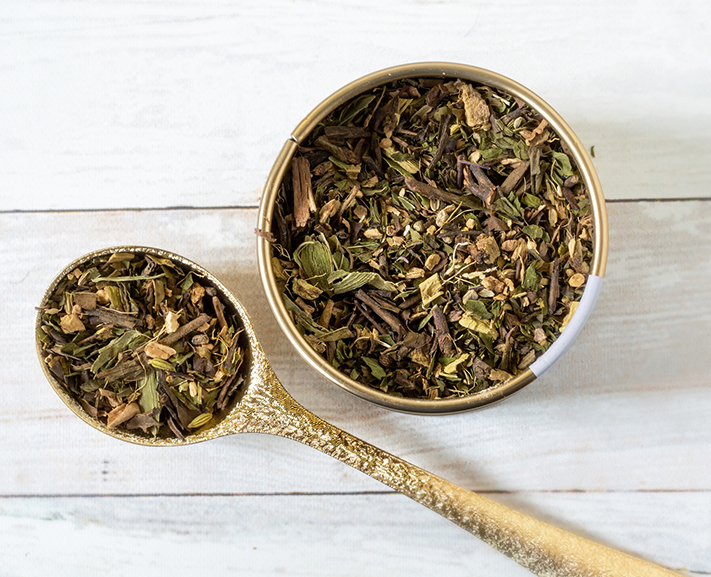
Wellness blends combine carefully selected herbs, flowers, spices, roots, fruits, and botanicals to create teas designed for enjoyment and balance. Unlike traditional teas, many wellness blends are naturally caffeine-free and are crafted for specific moments throughout the day, whether you’re looking to relax, refresh, or simply enjoy a comforting cup.
Ingredients such as chamomile, peppermint, ginger, turmeric, hibiscus, rooibos, lavender, and lemon balm are commonly used to create distinctive flavour profiles. While each blend offers its own unique character, wellness teas are appreciated for their thoughtful combinations, aromatic qualities, and versatility as part of a daily tea ritual.
Decaffeinated Tea
Full Flavour with Less Caffeine
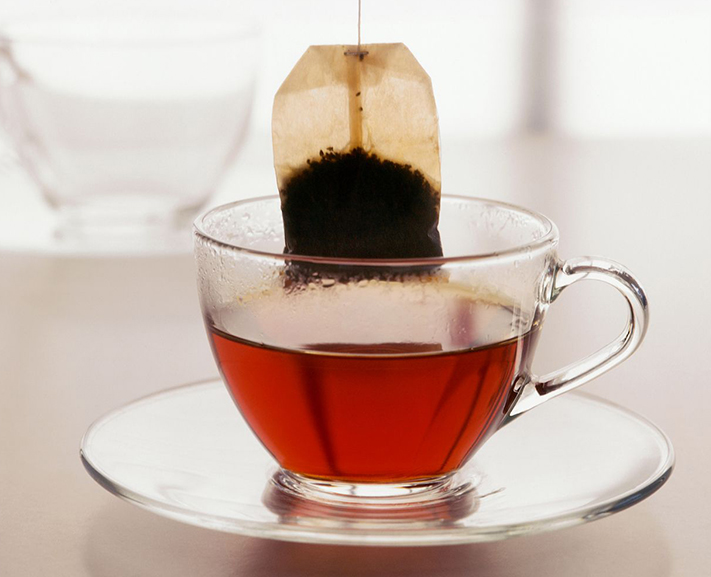
Decaffeinated tea allows tea lovers to enjoy the familiar taste and aroma of traditional tea while significantly reducing its natural caffeine content. Made from the leaves of the Camellia sinensis plant, it undergoes a carefully controlled decaffeination process that preserves much of the tea’s original character.
Available in a variety of styles, including black, green, and Earl Grey, decaffeinated tea offers a satisfying alternative for those who prefer to limit their caffeine intake without giving up the enjoyment of a well-crafted cup. It can be enjoyed at any time of day, making it a versatile choice for both daytime and evening tea drinkers.
Fruit Tea
Naturally Fruity, Bright, and Refreshing
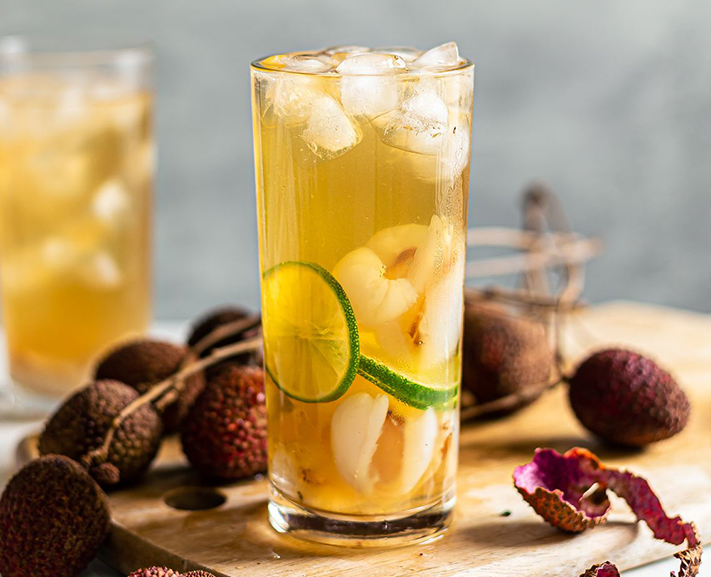
Fruit teas are vibrant infusions made from dried fruits, berries, flowers, herbs, and natural botanicals. Unlike traditional teas, many fruit blends do not contain Camellia sinensis, making them naturally caffeine-free while offering bold flavours and colourful infusions.
From sweet berries and tropical fruits to crisp apples and citrus, fruit teas provide a refreshing alternative that can be enjoyed hot or iced. Their naturally fruity character and inviting aromas make them a popular choice for tea lovers of all ages.
Mocktail Blends
Inspired by Cocktails, Crafted for Tea Lovers
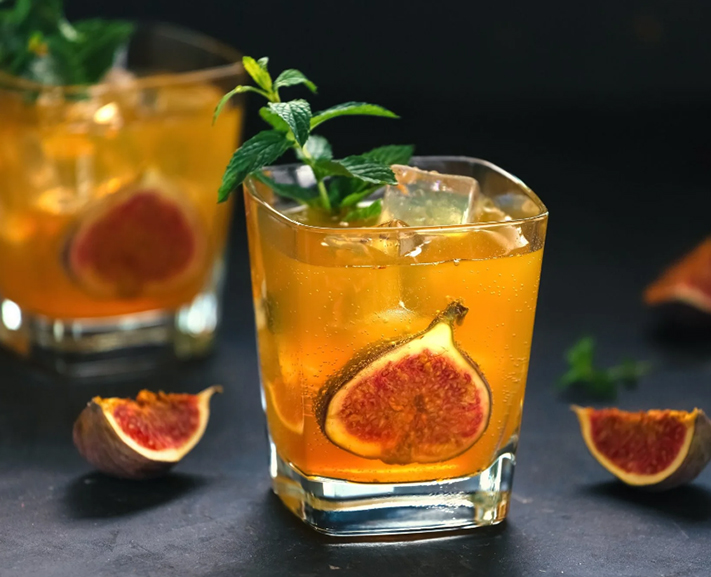
Mocktail blends combine premium teas, fruits, herbs, flowers, and botanicals to capture the refreshing character of classic cocktails without the alcohol. Designed to deliver layered flavours and vibrant aromas, these blends offer a creative and sophisticated tea experience.
Whether enjoyed hot, iced, or prepared as a sparkling tea infusion, mocktail blends bring together the art of tea blending with modern flavour inspiration. They are an exciting way to experience tea in a refreshing and contemporary style.
The Endless World of Tea
From the remarkable Camellia sinensis plant to rare pure teas, fragrant flavoured blends, timeless classics, rooibos, wellness infusions, and decaffeinated favourites, tea is far more than a simple drink. It is a story shaped by nature, craftsmanship, culture, and centuries of tradition.
Every tea has its own character. Some are bold and robust, while others are light, floral, earthy, fruity, or gently spiced. Some awaken the senses in the morning, while others bring comfort and calm at the end of the day. Yet each cup begins with the same thoughtful ritual: choosing the leaves, heating the water, allowing time to steep, and pausing to enjoy the moment.
Tea continues to evolve as new ingredients, techniques, and traditions are introduced, but its heart remains unchanged. It brings people together, offers a moment of stillness, and transforms an everyday routine into something meaningful.
Whether you prefer the purity of a traditional tea, the creativity of a flavoured blend, or the soothing character of a caffeine-free infusion, there is always another cup to discover.
“Tea is not only something we drink. It is a journey of flavour, heritage, and connection—one leaf, one blend, and one beautiful moment at a time.”
